







Schmitt Centrifugal Pumps: Pioneering Work in the Development of Plastic Pumps
The right product for the right industries
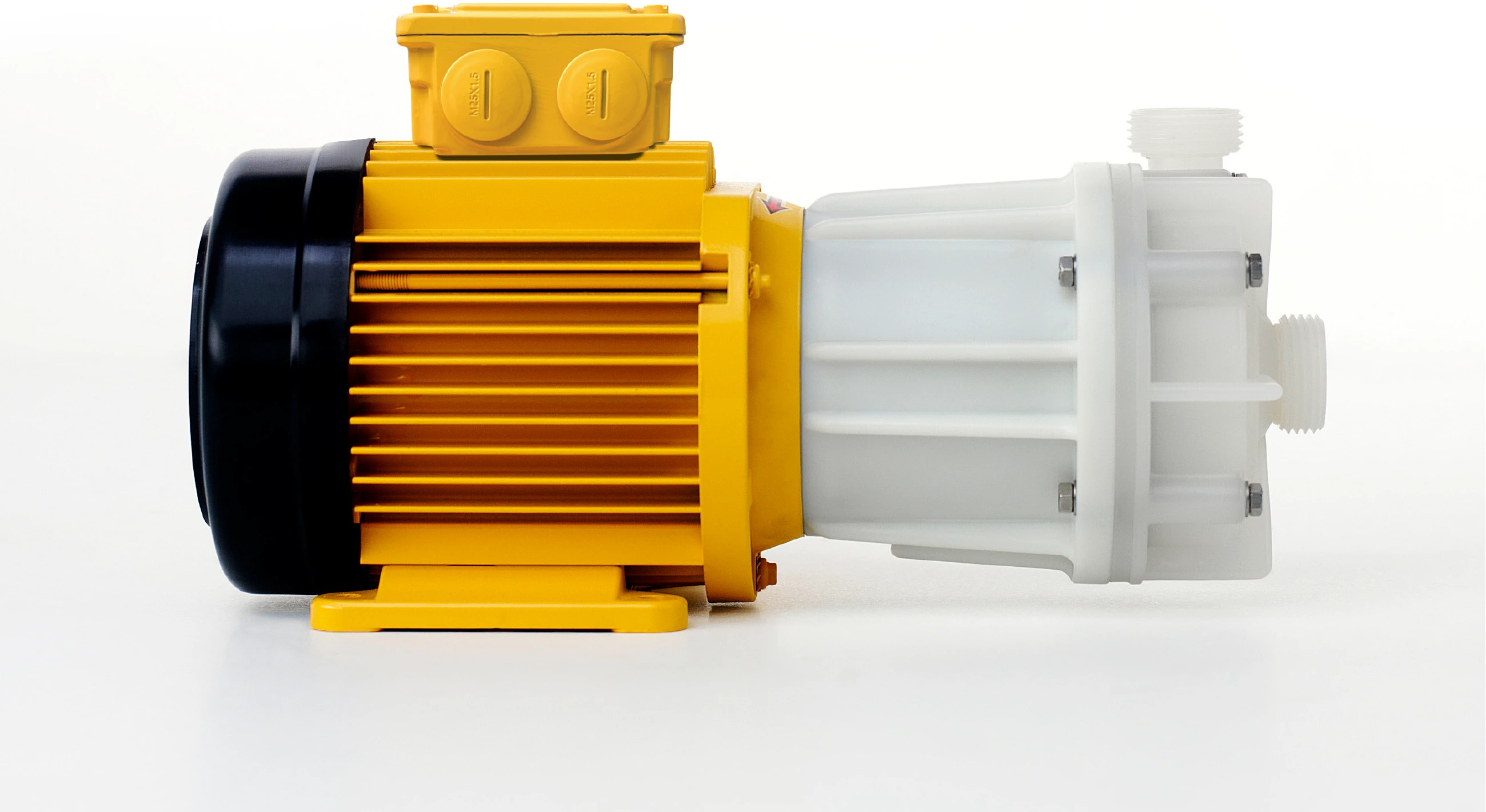
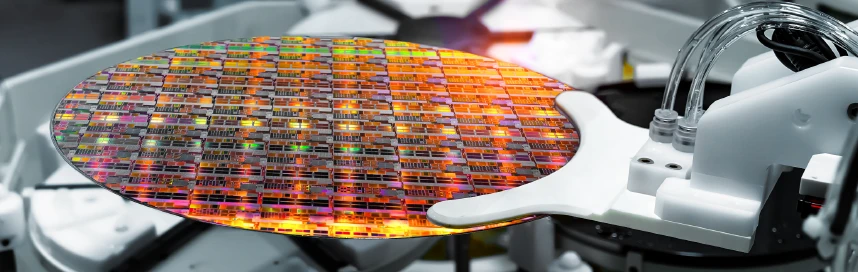
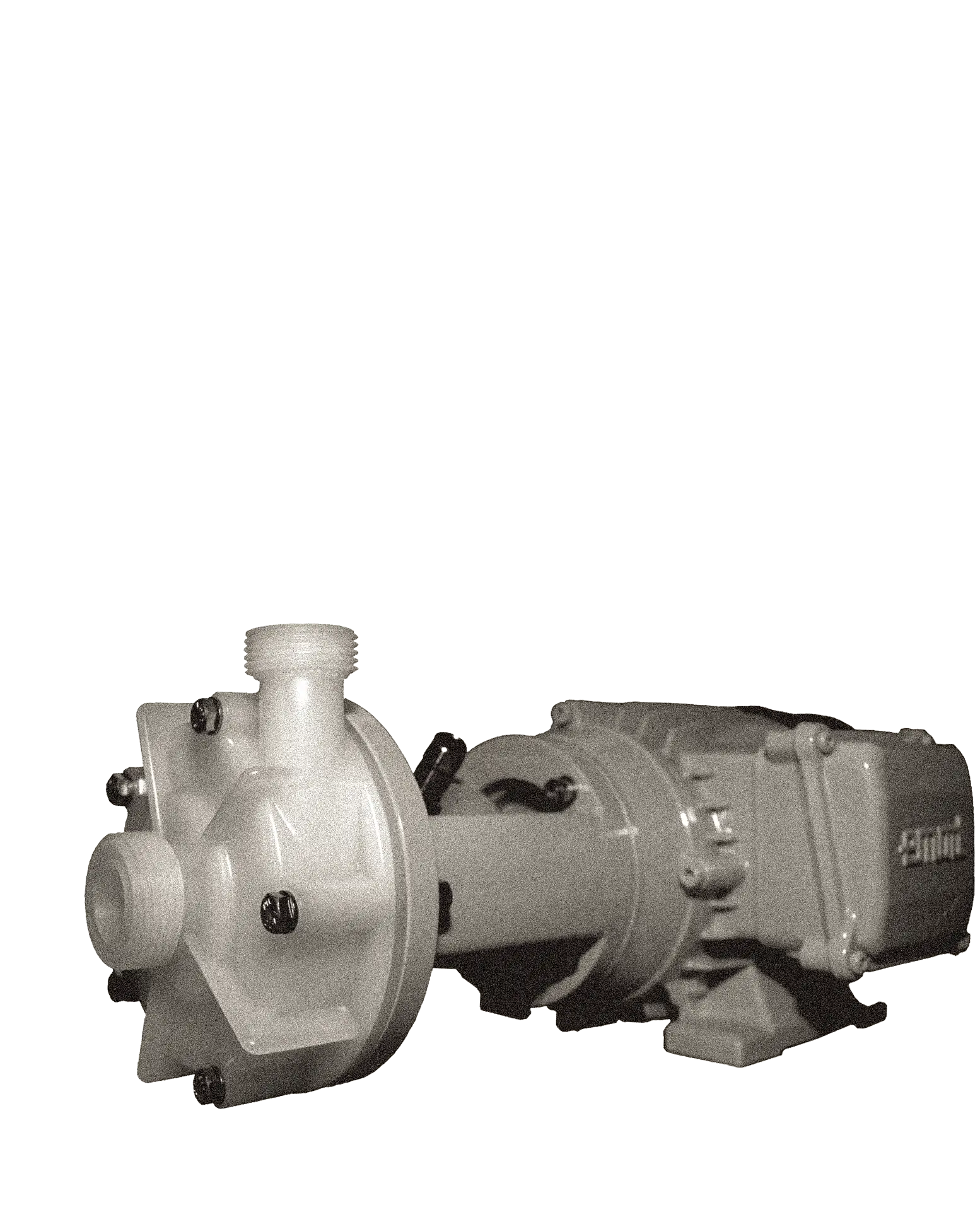
When Helmuth Schmitt founded Schmitt-Kreiselpumpen in 1964, plastics suitable for the construction of chemical pumps were still relatively new materials. Like few other designers, Schmitt recognised early on the significant benefits of plastic centrifugal pumps for the chemical industry, as well as for the emerging production of computer hardware and nuclear research.
However, even at that time, the industries to which Schmitt paid particular attention placed high demands on their suppliers and their products. Schmitt did not try to copy competing pump manufacturers, but took a different approach: in terms of their properties and, in particular, their perceived durability, his pumps were intended to convince users immediately.

Once Schmitt – always Schmitt
Durability as a Strategy
Not least due to the continuous presentation of Schmitt pumps at international trade fairs, the reputation of the products spread after only a few years: they clearly met all the quality criteria required by demanding customers. Once the market had recognised that they operate for significantly longer than average without failure, at the latest, many customers of Schmitt centrifugal pumps adopted the view “once Schmitt – always Schmitt”. On this solid basis of trust, the company can continue to focus on its products and their innovation to this day, rather than engaging in difficult competition.
As for customers in industry, “availability” also has two meanings for Schmitt: operational reliability and delivery capability. In existing systems, downtime caused by a Schmitt pump should be ruled out. For the planning and commissioning of new systems, speed and adherence to delivery dates for pumps are just as important as the certainty that the same applies to spare parts supply.
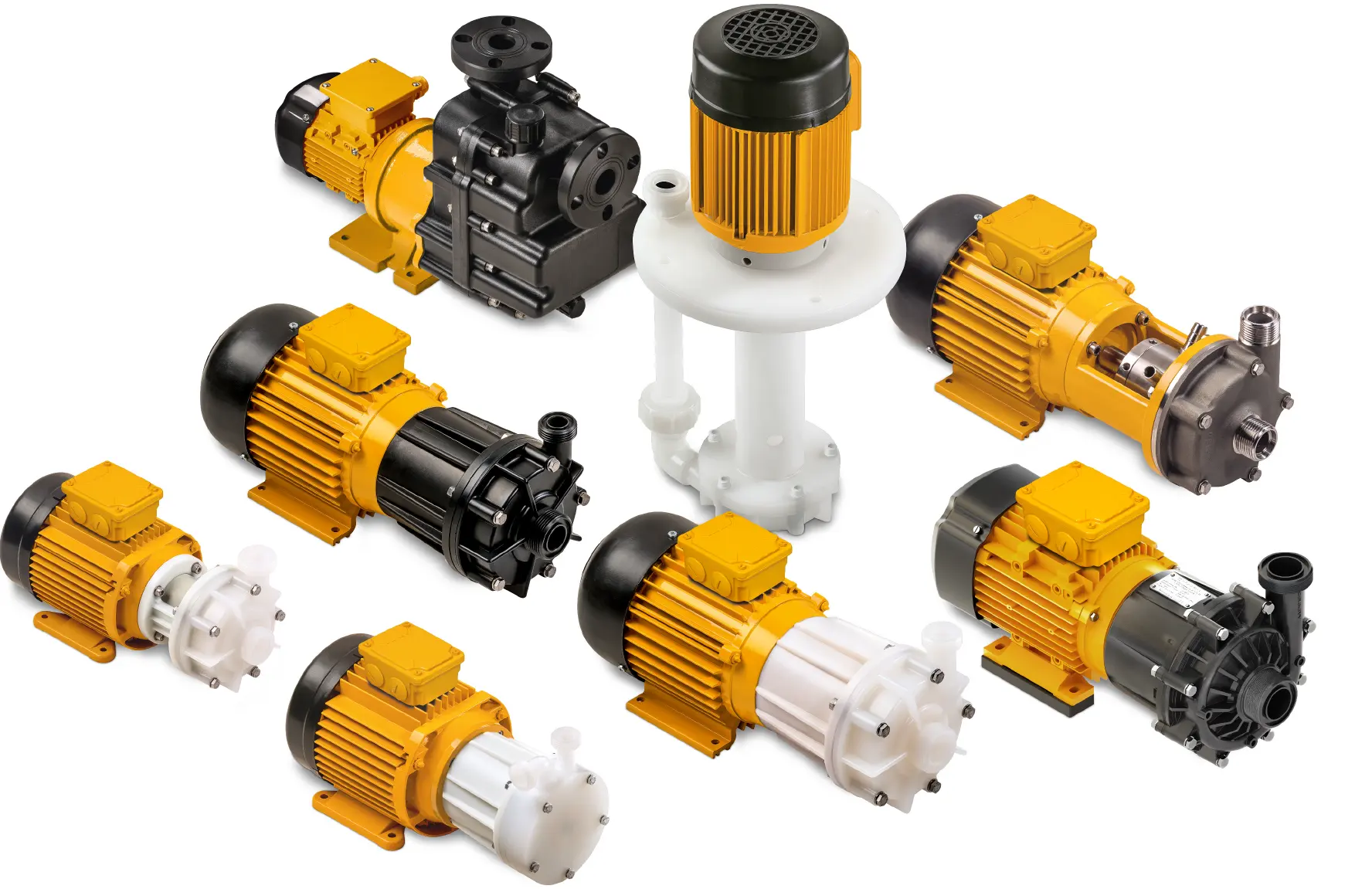
Milestones in Schmitt’s development
The development of Schmitt centrifugal pumps has been shaped by continuous technical and structural advancement. The following milestones provide a concise overview of key stages since the company was founded.
1964
Schmitt Kreiselpumpen was founded by Helmut Schmitt in Liedolsheim. The company started with a single lathe and contract machining.
1965–1968
Development of the first plastic centrifugal pumps. Early collaboration with the EURATOM research centre in Leopoldshafen.
1970
Move into the first company-owned production site in Ettlingen. Establishment of in-house manufacturing capacity.
1975
First expansion of the production facilities. Expansion of the product range for chemical applications.
1985
Second major expansion. Production, warehouse and office areas increased to more than 1,000 m².
1980s
International expansion. Deliveries to more than 30 countries, with exports accounting for around 35%. Establishment of the “Schmitt Kreiselpumpen” brand.
1990s–2000s
Continuous expansion of the portfolio of chemically resistant pumps. Increased focus on plastic pumps and special-purpose pumps.
2010s
Expansion of the office building (conversion of the former residential building)
2020s
Introduction of the new Neolution generation with high energy efficiency.
Today: Reinventing Flow.
Whether through the development of new series, continuous work on the reliability of our pumps, the use of ever-improving materials designed for new requirements, and most recently the development and introduction of the Neolution NHM, the most efficient pump in its class: over the years, Schmitt has repeatedly redefined what a centrifugal pump can achieve. Founder Helmuth Schmitt, his successors and the entire team in development, production, sales and service have achieved this because they have worked with technical expertise and focus on a shared idea. Today, one might say:
You were in the flow. With “Reinventing flow”, we are taking this one step further. Of course, we know that “flow” – in the sense of volumetric flow rate – cannot be reinvented. But firstly, ambitious goals have always motivated us, and secondly, we understand this claim in multiple dimensions:
Reinventing what a pump can do. And reinventing how a team continually enables itself to achieve that.
The Schmitt story continues …