




Batteries and Energy Storage Systems
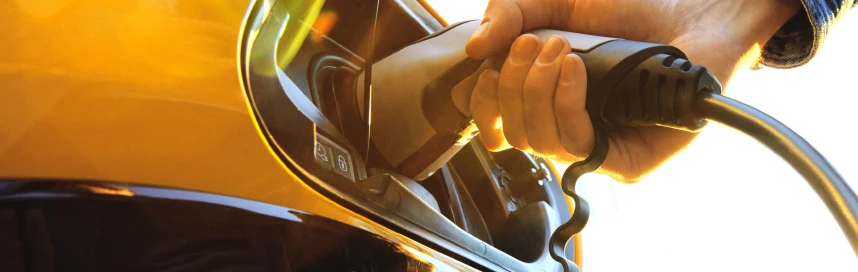
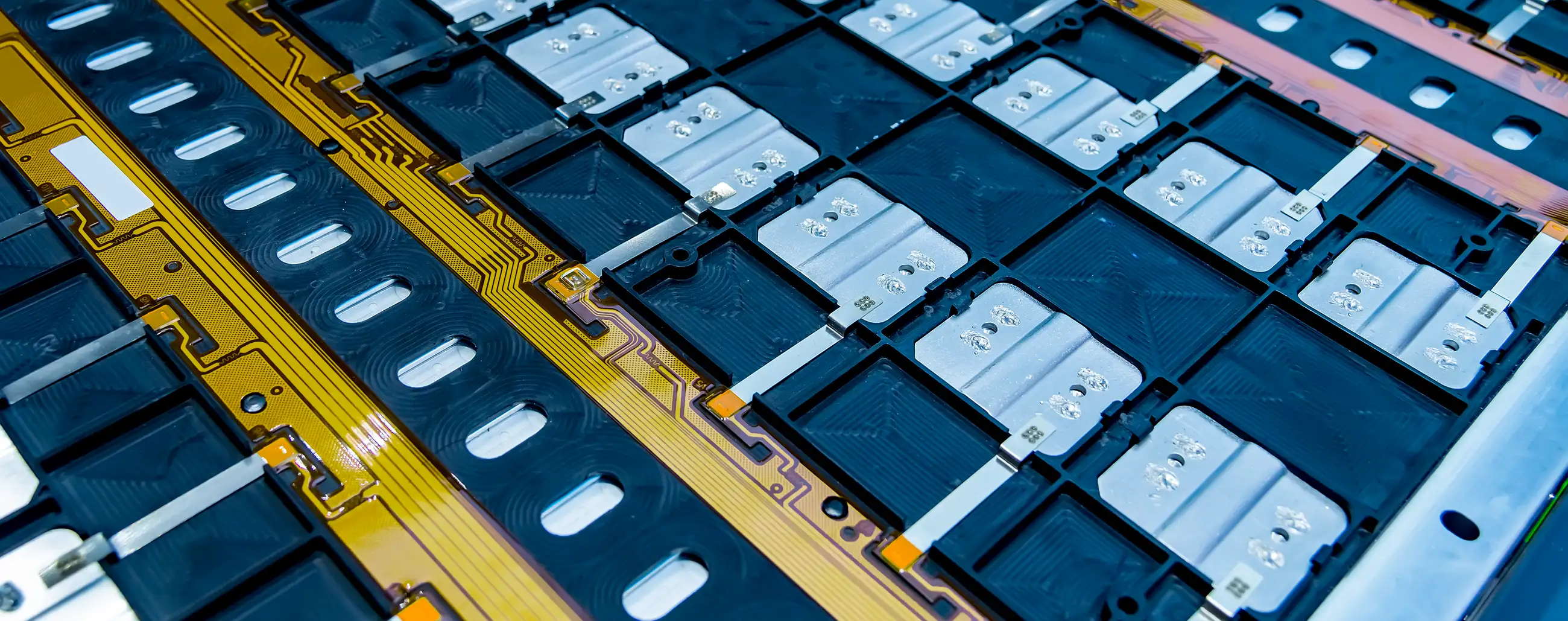
In conventional lead-acid batteries and in the further developed gel, AGM and EFB batteries, sulphuric acid is usually used as the electrolyte. Liquid electrolytes are also required in the manufacture of lithium-ion cells, for example for electric mobility in cars and e-bikes or for mobile phones. The challenge here is that these aggressive fluids must be conveyed reliably and without contamination using resistant pumps.
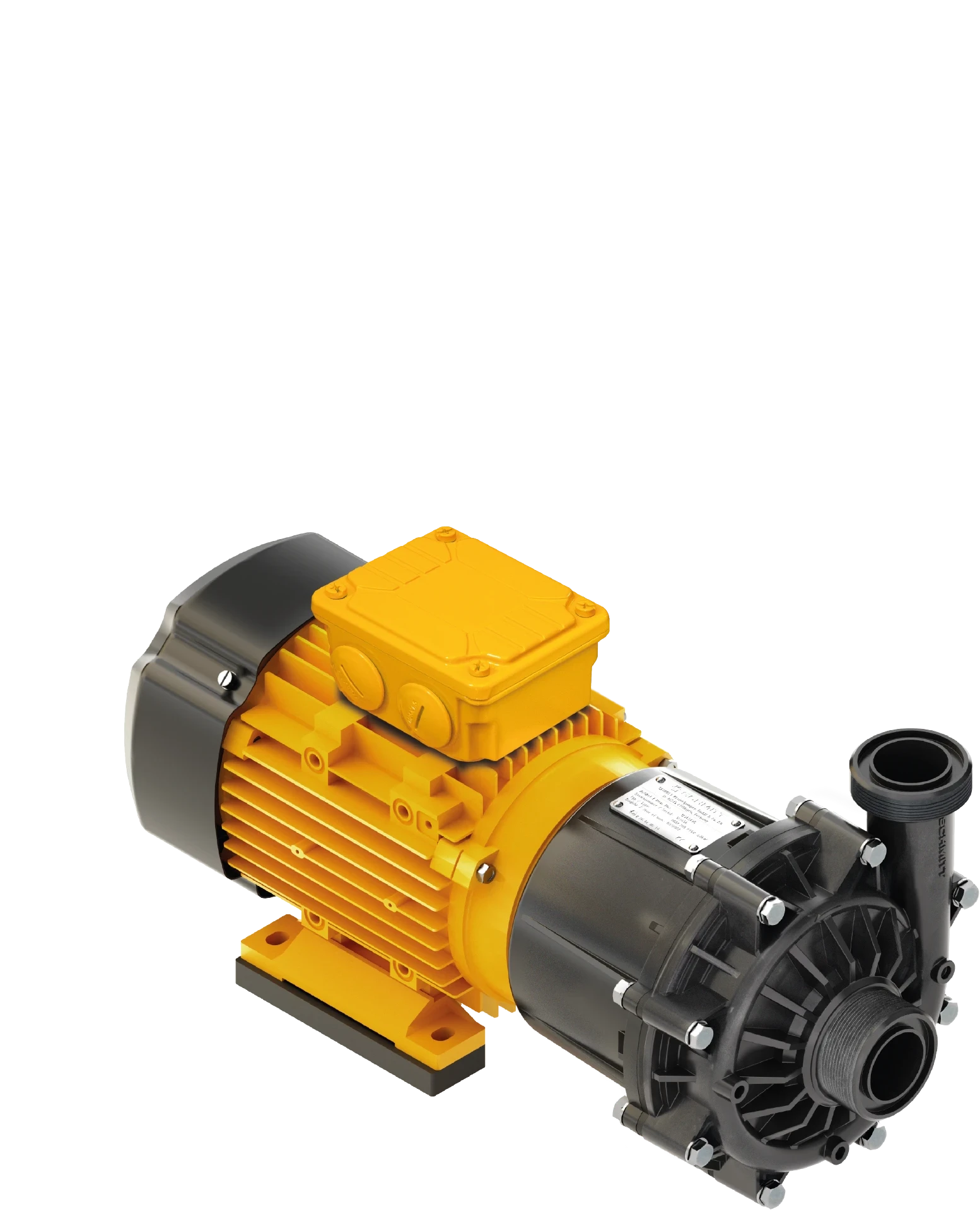
A field that is certain to become increasingly important in the future: redox flow or flow batteries for storing large quantities of electrical energy. They are suitable, for example, for use in combination with wind turbines or solar parks. In these systems, the electrolyte fluids are stored in tanks and pumped through an electrochemical cell at a defined pressure and flow rate to generate electricity. With our chemically resistant thermoplastic pumps, these systems operate reliably and safely.
Application overview
- Manufacture of lead-acid accumulators, gel and AGM batteries
- Manufacture of lithium-ion cells
- Transfer of electrolytes in battery filling
- Electrolyte transfer pump in redox flow / flow cell batteries
Schmitt pumps: Reliable solutions for battery manufacturing
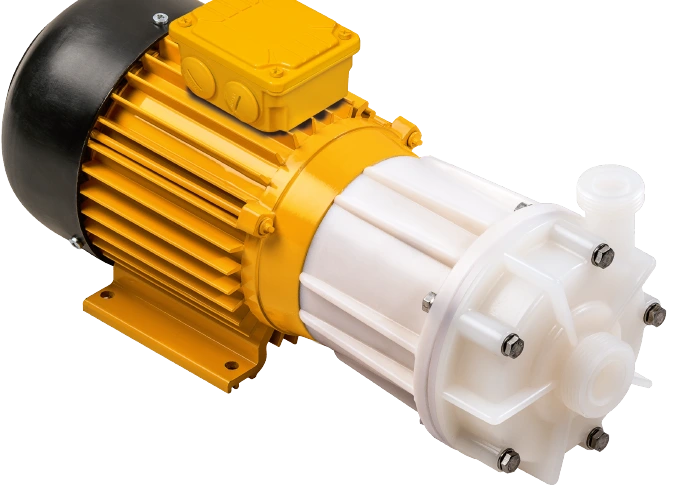
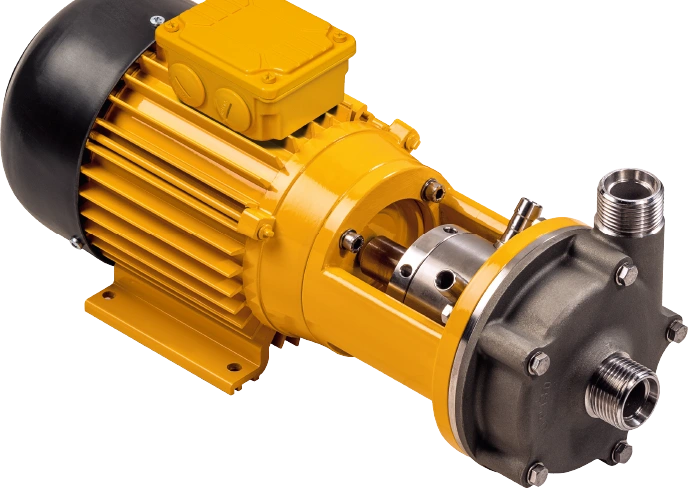
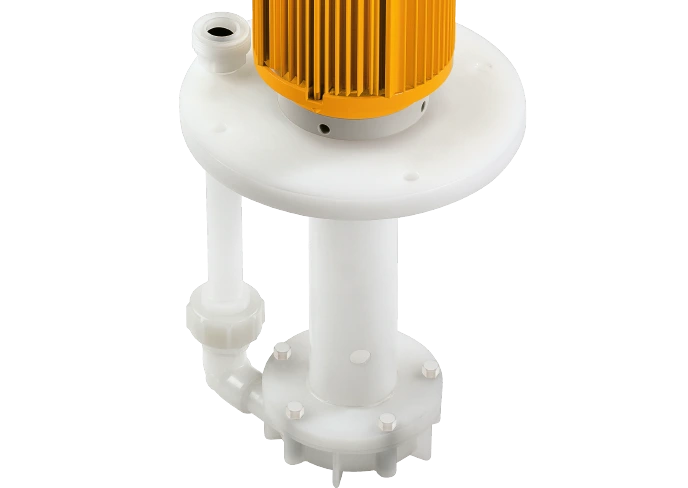
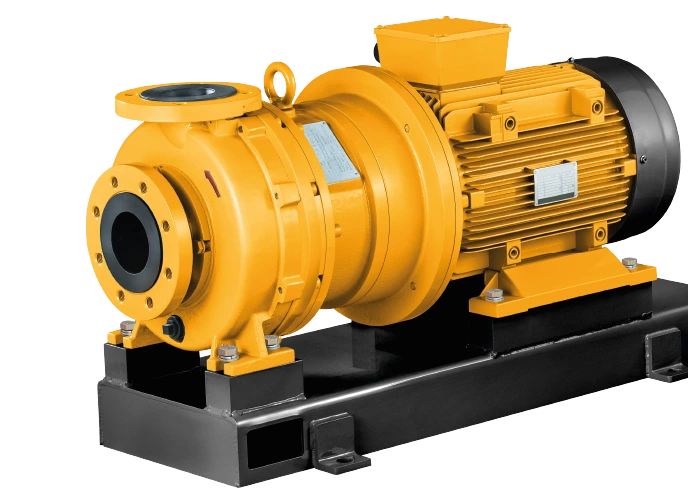
Centrifugal pumps are an integral component of electrochemical applications, as they convey fluids continuously and uniformly. Schmitt centrifugal pumps are specifically designed for use with corrosive, conductive and, in some cases, high-purity media, making them ideally suited for battery manufacturing and redox flow technologies.
A key advantage is the uniform, low-pulsation flow, which enables precise dosing and stable process conditions. This is particularly important for filling battery cells and for continuous electrolyte circulation. At the same time, the robust design ensures reliable operation even under demanding chemical and thermal conditions.
All Schmitt pumps